

SUMMIT AT HOME
LIVING LIGHTLY ON THE LAND
SEA RANCH. The Origin of Modern Outdoor Living.
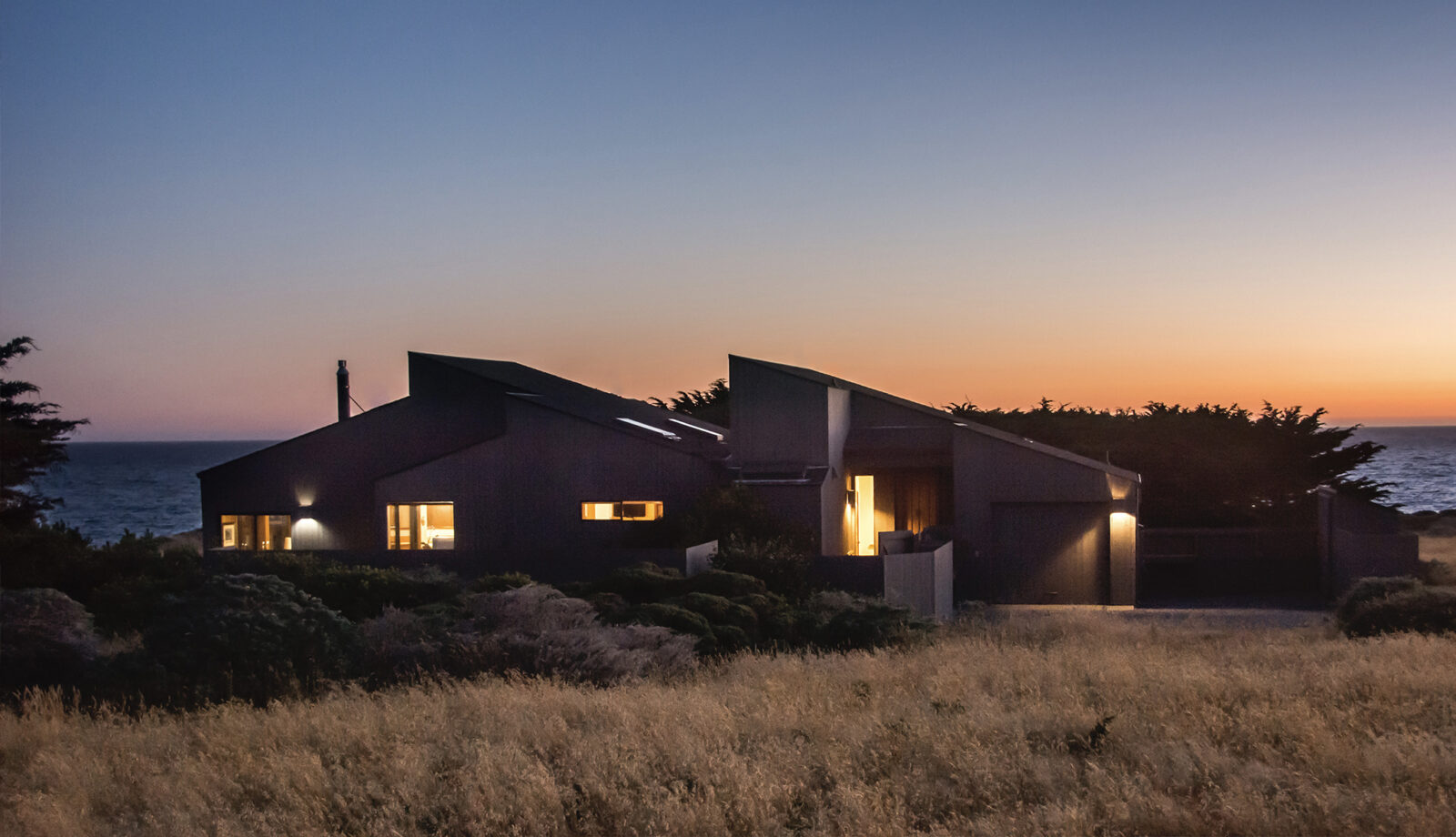
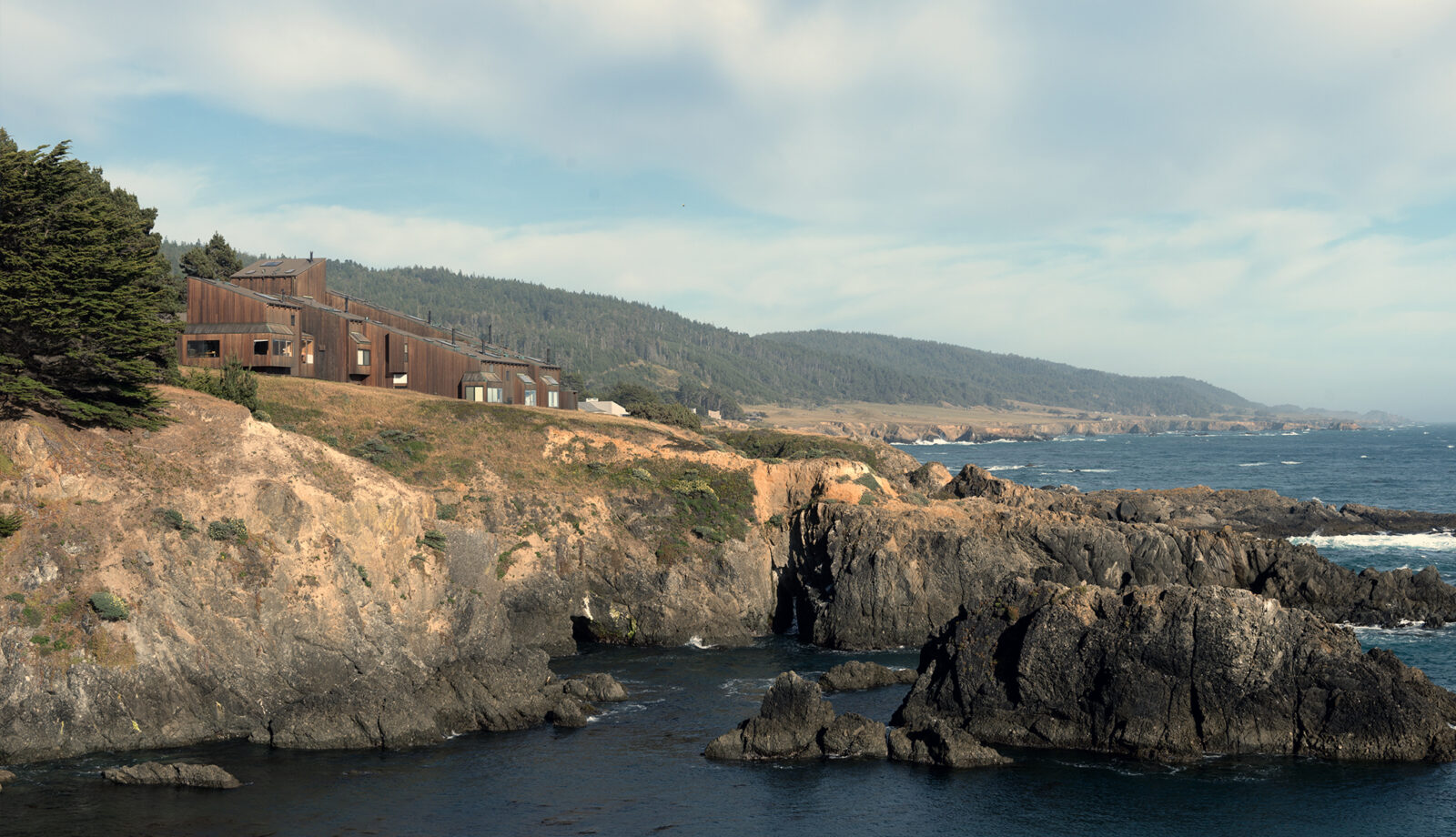
In 1962, a developer named Al Boeke purchased ten miles of Sonoma County coastline, a former sheep ranch of grassy meadows, Monterey cypress hedgerows, and redwood forest, and asked a radical question: what if you could build a community that belonged to the land rather than dominated it?
The answer became Sea Ranch, one of the most influential experiments in American architecture and one of the earliest models for what we now call sustainable design. More than sixty years later, its principles feel less like history and more like prophecy.
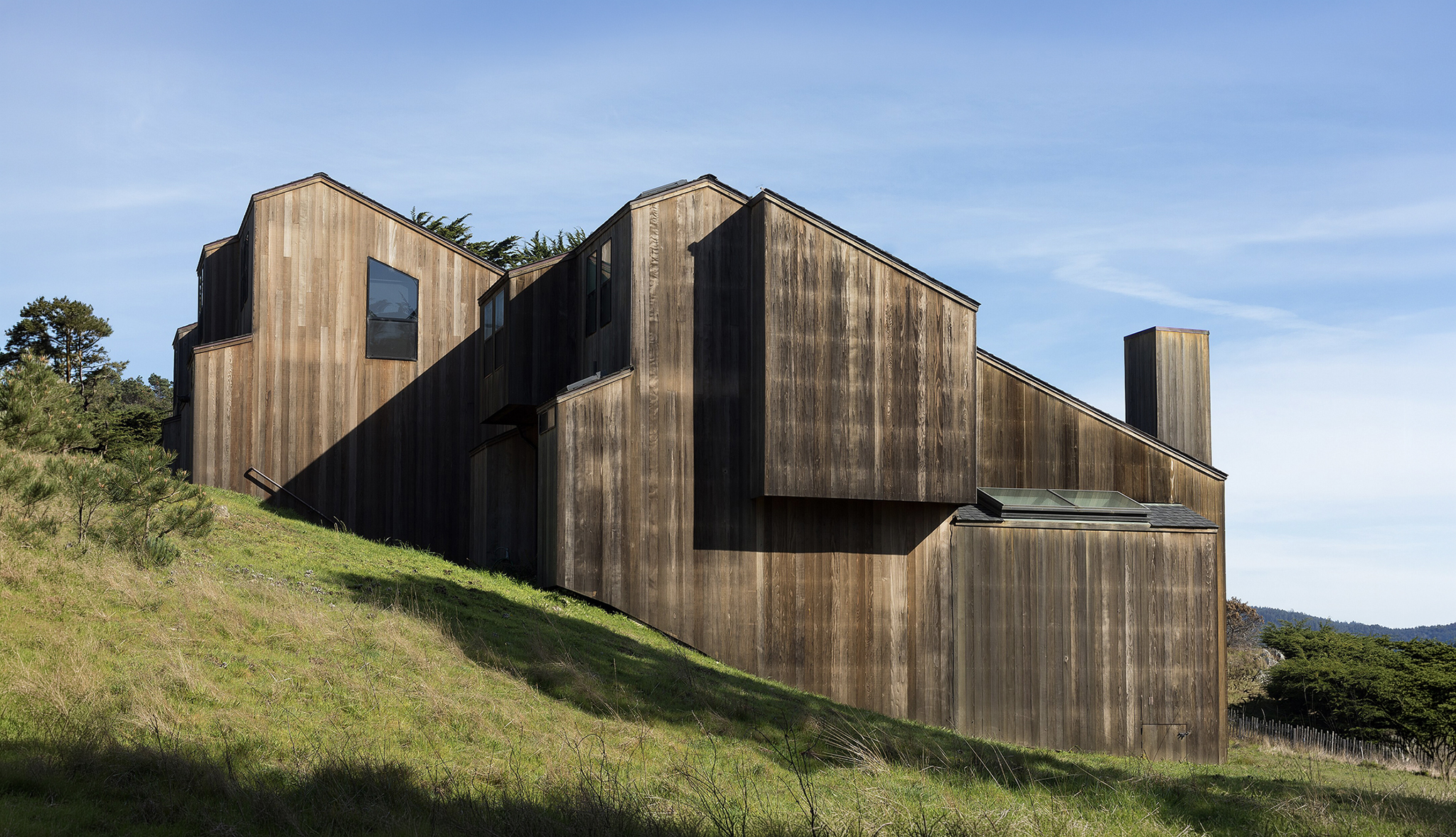
Boeke assembled a team that reads like a syllabus in postwar American design. Landscape architect Lawrence Halprin, who had lived on a kibbutz and carried a deep conviction about communal living, created the master plan: an ecological study of wind, microclimate, soil, and native vegetation that would govern every decision that followed. Architects Charles Moore, Donlyn Lyndon, William Turnbull, and Richard Whitaker (the firm known as MLTW) designed Condominium One, the iconic cluster of timberframe units perched on a coastal promontory that would become the defining image of the project. Joseph Esherick, the Berkeley architect and nephew of furniture designer Wharton Esherick, designed the Hedgerow Houses, grouping homes within the existing rows of cypress to minimize their footprint on the open meadow.
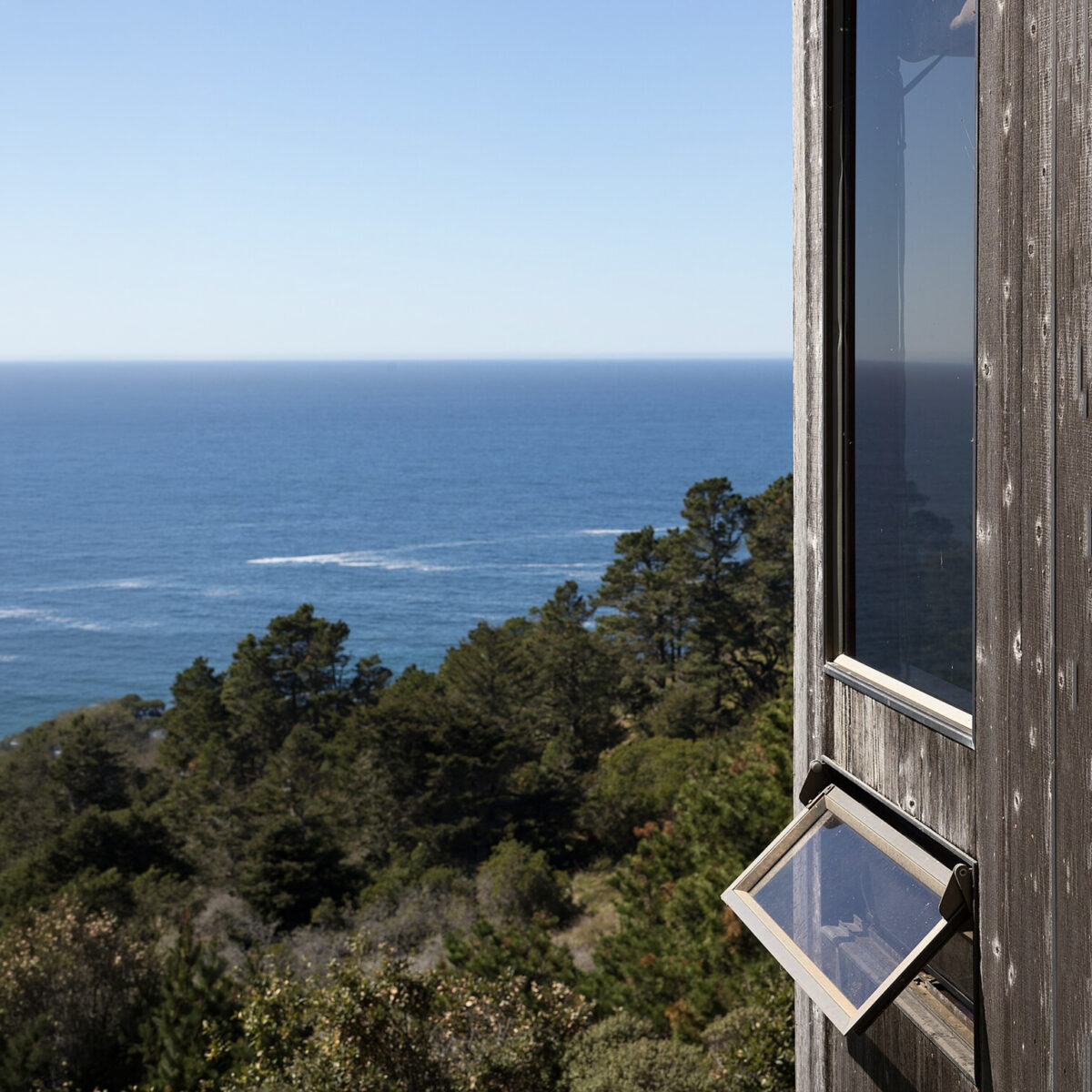
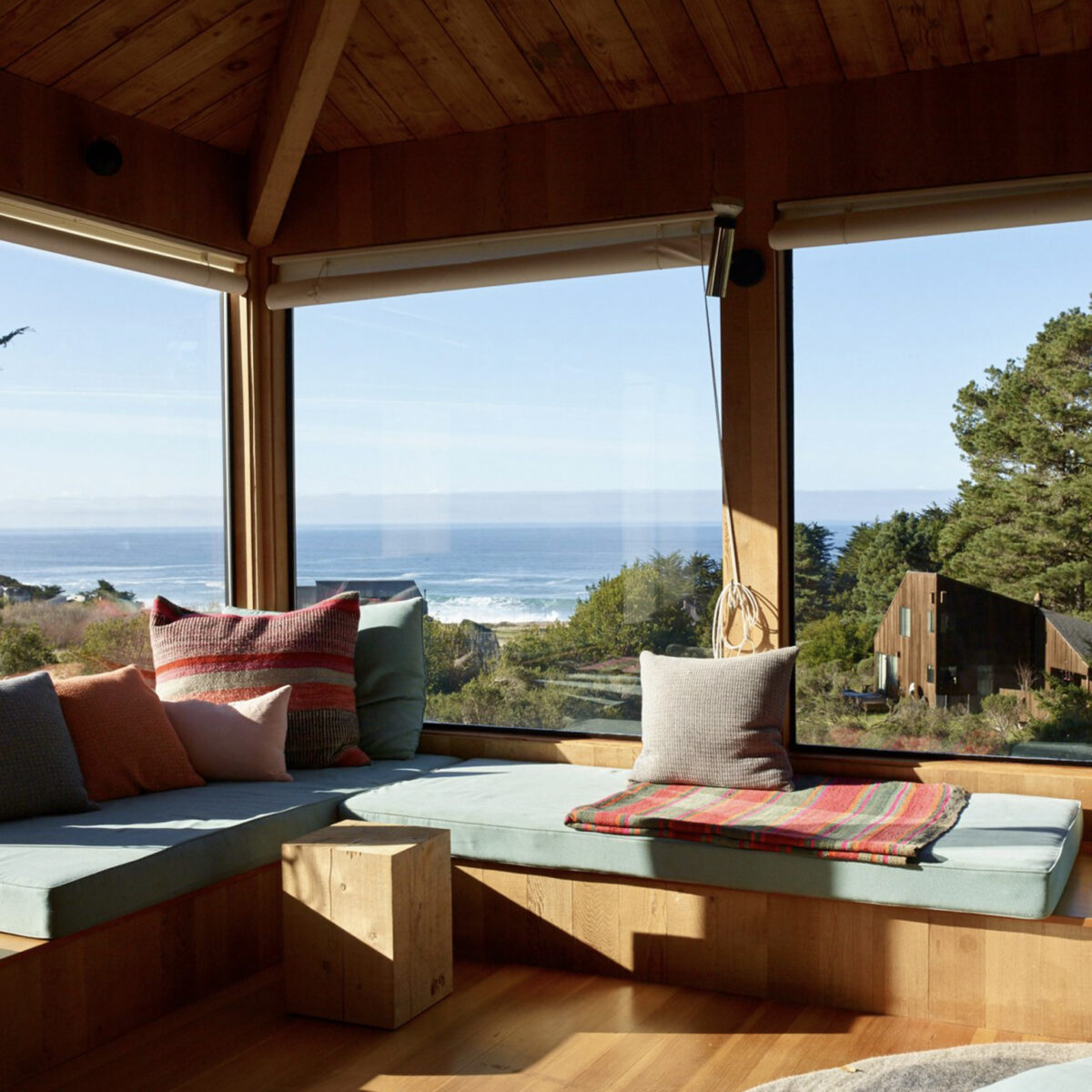
The guiding principle was borrowed from the Pomo people who had inhabited the coastline for centuries: live lightly on the land. Roofs were angled to deflect the prevailing winds. Walls were clad in redwood left to weather naturally, turning silver in the salt air until the buildings seemed to grow from the landscape itself. Windows were set flush with exterior walls. There were no fences, no lawns, no imported ornamental plantings. Just the wild grasses and native species that the architects and their clients agreed to protect.
It was, in retrospect, an astonishing act of restraint for a real estate development. And it worked. The buildings aged beautifully. The landscape recovered. The community endured. In 2005, Condominium One was placed on the National Register of Historic Places.
The Sea Ranch ethos resonates today because it anticipated a set of values that the design world has spent decades rediscovering: that the most enduring materials are natural ones allowed to express their character honestly; that the boundary between indoors and outdoors is not a wall to be defended but a threshold to be celebrated; and that sustainability is not a feature to be marketed but a relationship with place to be maintained over generations.
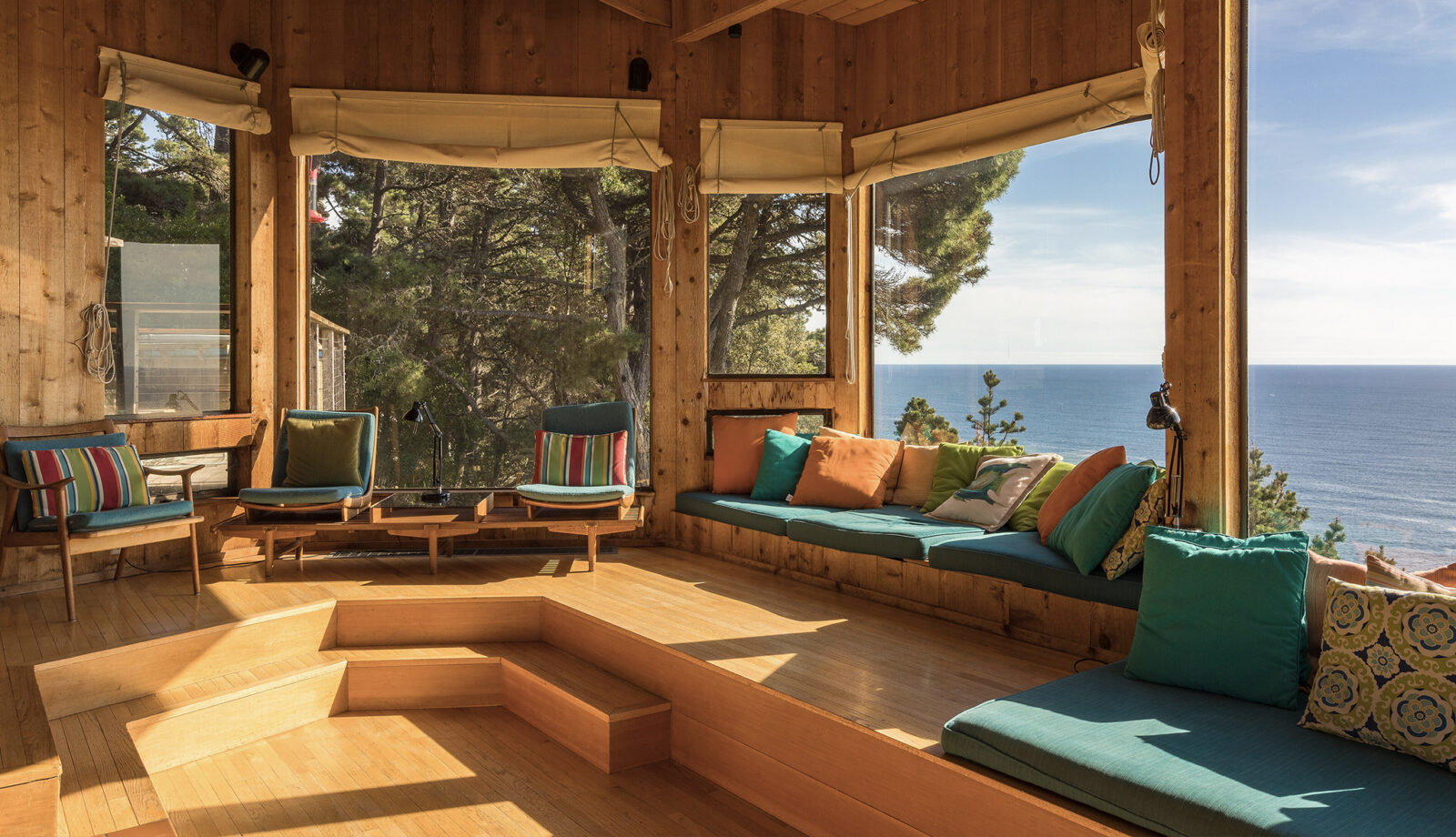
These are ideas Summit has built its entire practice around. The teak that defines Summit’s collections is a material that belongs outdoors, one that weathers with the same honesty as Sea Ranch’s redwood siding, turning from warm honey to silver in a graceful evolution that the company considers a feature, not a flaw. Summit’s commitment to plantation-grown teak and a two-for-one replanting standard reflects the same long-view stewardship that Halprin wrote into Sea Ranch’s original guidelines.
And Summit’s furniture, designed to live permanently in the elements, serves exactly the kind of spaces Sea Ranch pioneered: the sheltered courtyard, the windswept terrace, the outdoor room that extends a home’s living space into the landscape without apology.
Sea Ranch proved that you could build something beautiful and lasting without conquering the place that inspired it. Sixty years later, that idea is no longer radical. It’s the standard. And it’s the one Summit builds to every day. •